
THE IRON LIBRARY / NUTRITION & SUPPLEMENTS
Fuel
the lift.
Eat for the work ahead.
Pick a meal. Adjust the portion. Build a plan your stomach can handle.
Build your fuel plan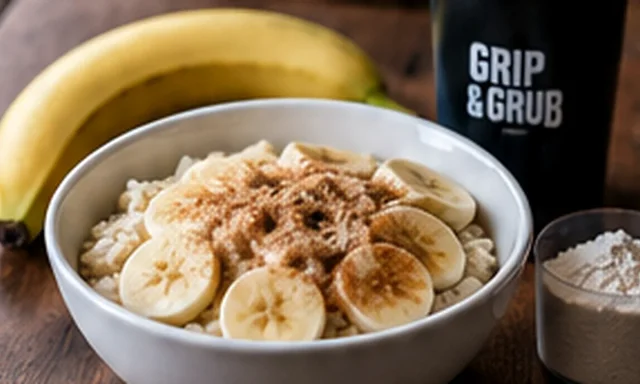
The practical take.
- What it may help with
- Arrive at training with familiar food, enough energy and a comfortable stomach.
- What the evidence supports
- Carbohydrate needs depend on the session, recent meals and individual tolerance.
- Joel’s approach
- Adjust a familiar meal in the lab and practice the timing before competition.
01 / THE INTERACTIVE MEAL LAB
What’s on your plate?
YOUR BODY SIZE. A STARTING POINT.
Make the numbers useful.
Plan across the day. One meal is part of the bigger picture.
Daily range: 1.6–2.2 g/kg/day.
180 lb is an example. Tool range: 35–250 kg (about 77.17–551.16 lb), not a recommended weight range. Your weight is not saved or sent.
Spread protein across your usual meals. The upper end is not a requirement.
Joel’s practical starting range; larger athletes may need more. This stays separate from the daily calculation.
How to use these numbers + sources
The same baseline is used for men and women. Body composition, age, goals and health can change planning; scaling actual weight is less useful at high body-fat levels. These are educational examples for adults.
Daily ranges: ISSN protein position stand and Schoenfeld & Aragon’s per-meal review. The frameworks overlap; neither is an exact threshold for everyone.
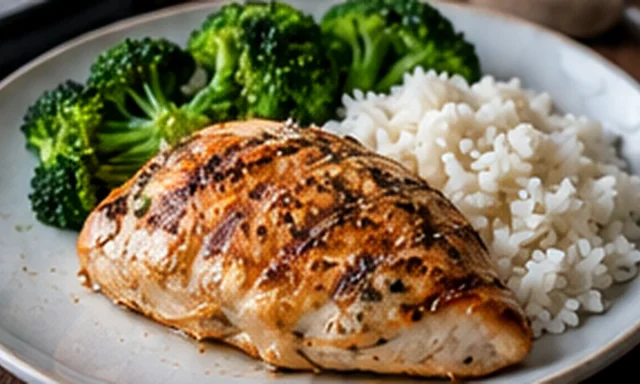
A familiar meal when you have time to digest. Try it roughly 90–120 minutes before training, then adjust for comfort.
REAL FOOD. ADJUSTABLE PORTIONS.
Chicken + white rice
- 4 ozcooked chicken breast
- 1.5 cupscooked white rice
Estimated grams, not performance gains. Brands and preparation vary; added oils, sauces and toppings are excluded. Adjust amounts to your needs.
Compare the three meals
All three meals at their original 1× portions. These compare food amounts, not recovery quality or strength gains.
Make a quick meal-prep checklist
Check off what you have ready. This checklist stays in this page only.
0 of 2 ingredients ready
02 / MAKE THE TIMING FIT
When are you lifting?
A meal can fit here.
Try one of the meals above. Leave more time for a larger portion, and adjust fat and fiber to your stomach. These times are flexible examples.
03 / THE COACH’S TAKE
Food first.
Details when you need them.
I want athletes to fuel the work they are actually going to perform. A short grip session after lunch and two hours of strongman events do not call for the same plan.
JOEL DIRCKS / GRIP & GRUBWill more carbs make me stronger?
Carbohydrates can help sustain training volume, especially during longer or fasted sessions. Extra carbs do not consistently improve already-fed, lower-volume workouts. There is no promised percentage increase in your max lift.
How much should I eat before lifting?
For many adults, 25–40 g protein and 40–80 g carbohydrate is a practical starting meal, not a universal requirement. A recent meal, body size, session demands and digestion can move that amount up or down. The meal lab scales food; it does not prescribe your ideal intake.
What about fat, fiber and fasted training?
Fat and fiber belong in a healthy diet. Close to lifting, a heavy or high-fiber meal may feel uncomfortable. Training fasted is a preference some athletes tolerate, not a requirement for results. If energy or training quality suffers, try a familiar snack or meal.
What changes on competition day?
Practice the plan in training. Pack familiar meals, easy carbohydrate snacks and fluids. Small portions between events can be easier than one large meal. Match fluids and sodium to conditions and sweat losses; avoid experimenting with new foods or supplements.
Research, sources & nutrition notes 8 references
1. King, A., Helms, E., Zinn, C., & Jukic, I. (2022). The Ergogenic Effects of Acute Carbohydrate Feeding on Resistance Exercise Performance: A Systematic Review and Meta-analysis. Sports Medicine.
2. Henselmans, M., Bjørnsen, T., Hedderman, R., & Vårvik, F. T. (2022). The Effect of Carbohydrate Intake on Strength and Resistance Training Performance: A Systematic Review. Nutrients, 14(4), 856.
3. Kerksick, C. M., et al. (2017). International Society of Sports Nutrition Position Stand: Nutrient Timing. Journal of the International Society of Sports Nutrition, 14, 33.
4. Jäger, R., et al. (2017). International Society of Sports Nutrition Position Stand: Protein and Exercise. Journal of the International Society of Sports Nutrition, 14, 20.
5. Norton, L. BioLayne: Pre/Post Workout Nutrition FAQ.
6. Huberman Lab (August 12, 2024). Dr. Layne Norton: Tools for Nutrition & Fitness.
7. Huberman Lab (February 22, 2023). Dr. Andy Galpin: Optimal Nutrition & Supplementation for Fitness.
8. Pollack, B. (October 27, 2017). The Best Things to Eat Before Training. EliteFTS.
Disclaimer: This article is for educational purposes and is not individualized medical or nutritional advice. Requirements vary by body size, goals, training demands and health history. Athletes with medical conditions or specialized dietary needs should consult an appropriately qualified healthcare professional or registered sports dietitian.
For adult athletes. Meal values are estimates and calculators are educational starting points, not personal prescriptions. A sports dietitian can adapt them to your health, goals and training.