Nutrition & Supplements
Electrolytes for Strength Athletes: Do You Actually Need Them?
Water, sodium, potassium, magnesium—what actually matters for strength, performance, and recovery?
The practical take.
- What it may help with
- Support fluid balance during long, hot or especially sweaty training and competitions.
- What the evidence supports
- Dehydration can impair performance; more electrolytes do not automatically improve an already-hydrated lifter.
- Joel’s approach
- Start with water and regular meals, estimate your sweat losses, and choose drinks for the session—not the marketing.
Walk into any supplement store, and you'll find electrolyte powders promising better hydration, fewer cramps, more energy, and improved performance.
Some of them cost more than a decent meal, and apparently, regular water just isn't good enough anymore.
But do you really need an expensive packet of flavored salt every time you hit the gym?
I dug into the research, including Andrew Huberman's discussions with Dr. Andy Galpin, and here's what strength athletes actually need to know.
What Do Electrolytes Actually Do?
Electrolytes are minerals that help regulate fluid balance, nerve signaling, and muscle contractions.
The big four are:
- Sodium: Maintains fluid balance, blood volume, and nerve signaling. It's the main electrolyte we lose through sweat.
- Potassium: Helps regulate muscle contractions and electrical signaling.
- Magnesium: Supports muscle function, nerve activity, and energy production.
- Calcium: Essential for muscle contraction and bone health.
Without adequate electrolytes, your muscles and nervous system aren't functioning properly.
But here's the important part: More electrolytes don't automatically mean more strength.
If you're already getting enough, adding extra minerals isn't some secret anabolic hack.
Does Dehydration Hurt Your Strength?
It can. How much depends on the situation.
A 2015 meta-analysis found dehydration was associated with average performance reductions of approximately:
- 8.3% in muscular endurance
- 5.5% in maximal strength
- 5.8% in anaerobic power
Those are pooled research findings, not guaranteed performance losses for every athlete.
Dehydration can be especially problematic during long training sessions, repeated strongman events, high-volume lifting, and training in hot environments.
If you're grinding through a two-hour session, sweating through your shirt, and starting to feel sluggish, hydration could be part of the problem.
But if you're lifting for 45 minutes in an air-conditioned gym, you probably don't need a $3 packet of sodium to survive your bench workout.
Do Electrolytes Prevent Muscle Cramps?
This is one of the biggest misconceptions.
Research on exercise-associated cramps shows they aren't always caused by dehydration or low electrolytes. Fatigue, training intensity, and individual susceptibility also play important roles.
Some research suggests electrolyte-containing fluids may help in certain circumstances, but there isn't strong evidence that drinking more sodium or magnesium automatically prevents exercise-related cramps.
My take: If you're cramping, look at your training load, conditioning, hydration, and nutrition before assuming you need another supplement.
Athlete Action Plan: What to Drink and When
Here's how I'd approach hydration based on the research.
1. Normal lifting session (45–75 minutes)
Plain water is generally enough. Drink according to thirst and make sure you're eating regular meals.
2. Longer training session (75–120 minutes)
Keep water available. If you're sweating heavily, especially in a hot gym, an electrolyte drink with sodium may be useful.
3. Strongman competitions or long, hot workouts (2+ hours)
This is where planning matters. Consider electrolyte replacement based on actual sweat losses, along with carbohydrates when additional fuel is needed.
Some endurance-sport protocols use approximately 300–600 mg of sodium per hour during prolonged sweaty exercise, but that's not a universal prescription for strength athletes.
4. Figure out how much you're actually sweating
Weigh yourself before and after training under similar conditions, and account for how much you drank.
If you're consistently losing a significant amount of weight through sweat, you may need a better fluid-replacement strategy.
If you're gaining weight because you're pounding water throughout the workout, you're probably overdoing it.
5. Don't forget regular food
Potatoes, fruit, dairy, meat, and other everyday foods provide important minerals. Salted meals can also help replace sodium.
You don't need to get every electrolyte from a supplement company.
Estimate Your Sweat Rate
LMNT, Liquid I.V., Gatorade, or Just Water?
These products aren't all the same.
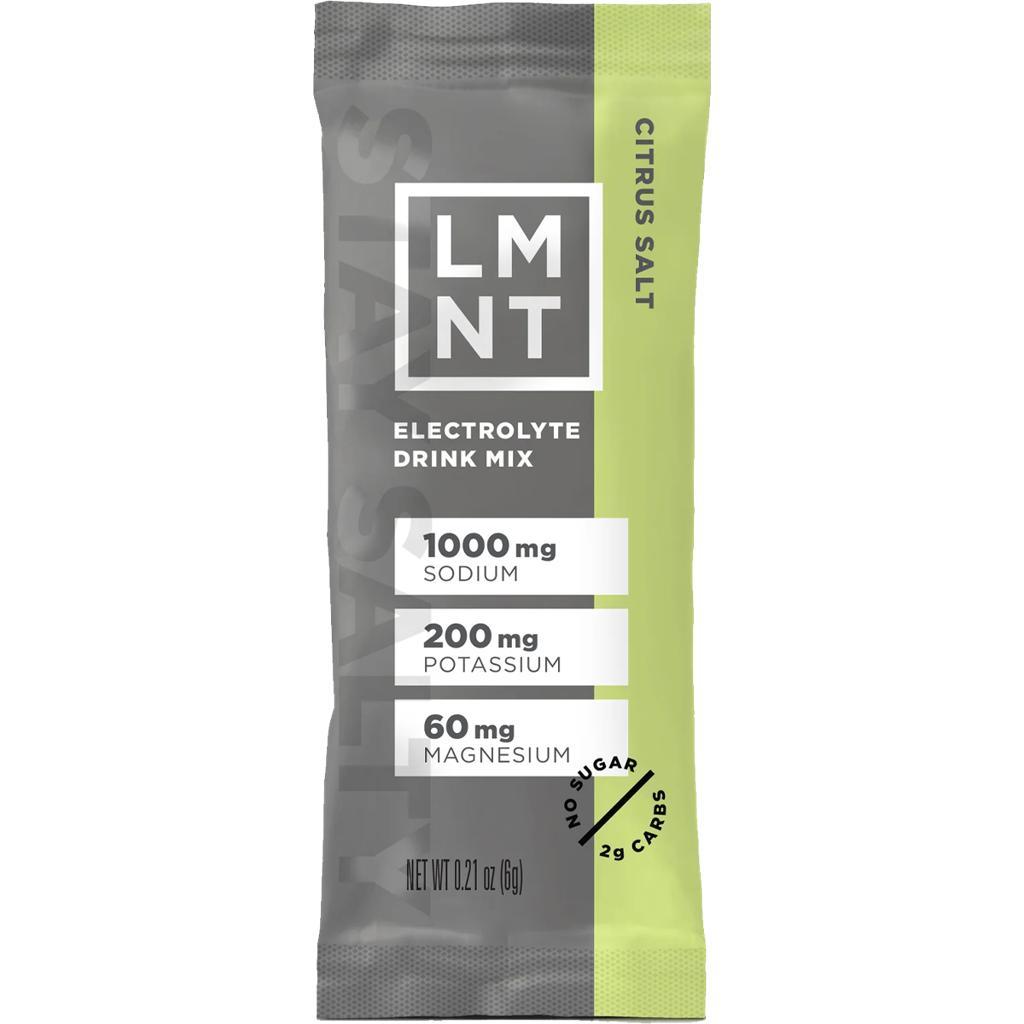
LMNT
Citrus Salt · one packet
- Sodium
- 1,000 mg
- Potassium
- 200 mg
- Magnesium
- 60 mg
- Sugar
- 0 g
A higher-sodium option without sugar. That is more sodium than many ordinary gym sessions require.
LMNT formula & label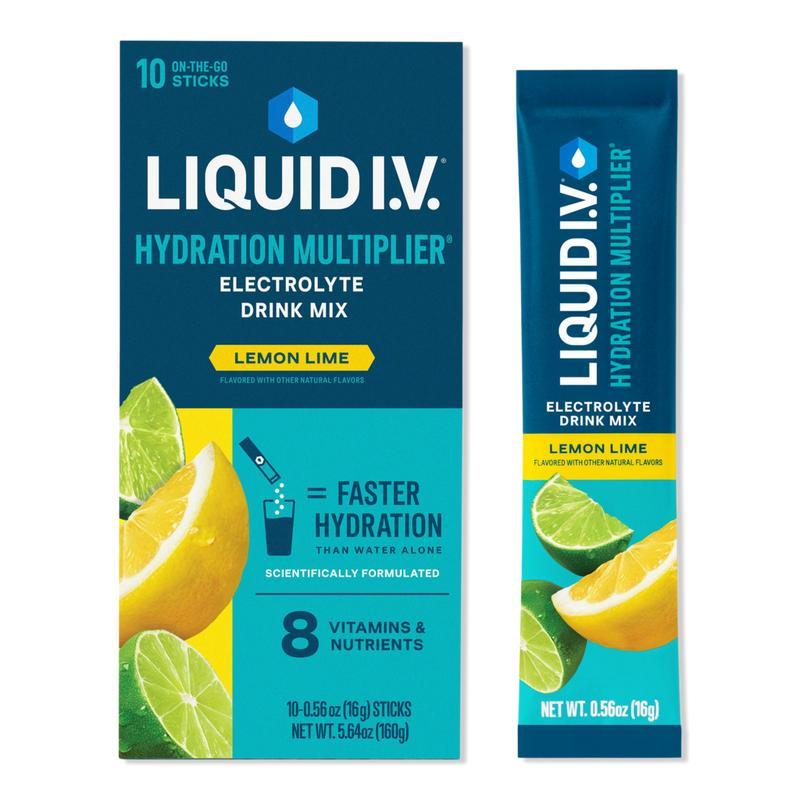
Liquid I.V.
Original Lemon Lime · one 16-g stick
- Sodium
- 500 mg*
- Potassium
- 370 mg
- Carbohydrate
- 11 g
- Sugar
- 11 g
Combines sodium, potassium and sugar. The original and sugar-free formulas are different products.
Liquid I.V. nutrition label
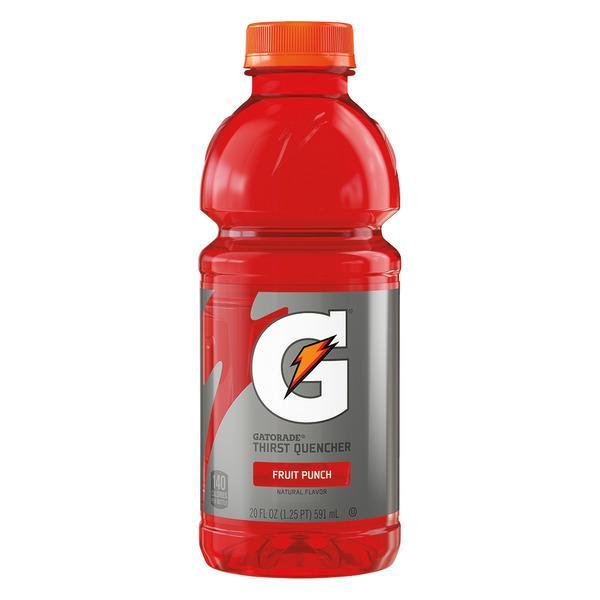
Gatorade
Original Thirst Quencher · 20 US fl oz, ready to drink
- Sodium
- 270 mg*
- Potassium
- 80 mg*
- Carbohydrate
- 36 g*
- Calories
- 140*
Provides carbohydrate fuel and a smaller amount of sodium. G Zero and powder mixes have different labels.
Gatorade nutrition guide (PDF)*Illustrative label comparison, not equivalent doses or a product ranking. Liquid I.V. figures are from the original Lemon Lime 16-g stick label; Gatorade figures are the manufacturer’s 20-fl-oz ready-to-drink reference and can vary by flavor. Photos supplied with the article may show earlier packaging. Use your own packet or bottle’s current label and mixing directions. Brand names and product photos identify the examples; they do not establish an endorsement.
Check the actual label because formulas and serving sizes can change.
None of these products has been convincingly shown to make an already hydrated lifter significantly stronger simply because they contain electrolytes.
The best product is the one that matches what you're actually losing—not the one with the best marketing.
Can You Overdo Electrolytes and Water?
Absolutely.
Excess sodium can be a concern, especially for people with high blood pressure or other medical conditions. If you have kidney or heart disease, take medication affecting fluid or electrolytes, or have a prescribed sodium or fluid restriction, get individualized guidance.
And drinking excessive amounts of water during prolonged exercise can cause hyponatremia, a potentially dangerous condition where blood sodium becomes too diluted.
Electrolyte drinks don't eliminate that risk. Confusion, collapse, or a severe headache during or after prolonged exercise needs urgent medical attention.
The goal isn't to drink as much water or consume as much salt as possible. It's to replace an appropriate amount of what you're losing.
My Take
Electrolytes are essential. Electrolyte supplements aren't always necessary.
If you're a strength athlete training hard for two hours, sweating heavily, or competing outside in the summer heat, paying attention to sodium and fluid replacement makes sense.
If you're doing an hour of lifting in a comfortable gym and eating a balanced diet, plain water is probably doing the job.
I'd rather see athletes understand their hydration needs than blindly spend money on flavored salt.
Hydration helps you perform at your best. More electrolytes don't automatically make you a better athlete.
Train hard. Recover harder. Let the science do the talking.
— Joel
Research & References
Research & professional guidance
- Savoie et al. (2015). Meta-analysis of dehydration and muscular performance.
- National Athletic Trainers' Association (2017). Position statement: Fluid Replacement for the Physically Active.
- American College of Sports Medicine (2025). Nine Facts About Hydration & Electrolytes.
- International Exercise-Associated Hyponatremia Consensus Statement (2015). Risks associated with excessive fluid consumption during exercise.
- Miller et al. (2022). Evidence-based review of exercise-associated muscle cramps.
Expert discussion
These conversations provide context; they are not substitutes for controlled trials or individualized hydration advice.
- Huberman Lab — Dr. Andy Galpin: Optimal Nutrition & Supplementation for Fitness (2023). Hydration, sodium, sweat losses, and exercise performance.
- Huberman Lab — Using Salt to Optimize Mental & Physical Performance (2026 Essentials). Sodium and physical performance.
This article is for educational purposes and does not replace individualized medical advice.